
Call Us: 0703 215 0324 

Articles
Call to action:
The persistent fuel scarcity plaguing Nigeria is a stark indictment of the government's inability to address the nation's energy needs. Despite repeated promises, the government and NNPC have failed to revamp refineries, increase domestic fuel circulation and ensure efficient distribution networks in the country.
Consequently, this has caused Economic hardship: Soaring prices, reduced productivity, Transportation chaos, and long queues, and people can no longer afford to pay for transportation to their places of work again as a result of these businesses will be disrupted, closed down and many will lose their jobs.
We, however, calling on the government and NNPC to look into this matter and take decisive action, not rhetoric to prioritize the public concerns, ensuring affordable, accessible fuel for all.
Office address: Suite C29 Danziyal Plaza, Off Olusegun Obasanjo Way, CBD, Abuja
Tel: 09-290 3442, +234 805 220 5072. Email: This email address is being protected from spambots. You need JavaScript enabled to view it.
Website: www.savetheconsumers.org
Written by: Ugochukwu Onuoha
The Nigerian Communications Commission (NCC) has issued a directive to telecommunications operators to simplify their tariff plans, bundles, and promotional activities.
This move aims to provide clear, easy-to-understand, and accurate information about the cost of voice, short messaging service (SMS) and data services to subscribers.
The directive, titled "Guidance on the Simplification of Tariffs in the Nigerian Communications Sector," was issued on July 29, 2024. It mandates Mobile Network Operators (MNOs) to publish a comprehensive table showing the features of their tariff plans and bundle offers.
The table should contain all necessary information for subscribers to make informed decisions, including details on add-ons, their prices, how consumers can opt-in or out, terms and conditions for renewal, and rollover policies.
The guideline is the outcome of consultations with industry stakeholders, including MNOs and Consumer Focus Groups, and extensive data analysis on consumer preferences and expectations.
The objectives of the simplification guidelines are to reduce the complexity of tariff plans and bundles, ensure transparency and fairness of promotional elements of tariff plans, protect consumers’ interests by providing clear and understandable tariff information so that they make informed decisions, and promote fair competition among licensees by standardising tariff structures.
Service providers are also required to display all relevant information about their tariffs, such as the name of the plan, price, validity period, price-per-second for on or off-network and international calls, expected data speeds, and fair usage policies.
“Operators can maintain existing bonus-led tariff plans till 31st December 2024, within which period operators are expected to educate and migrate all subscribers to the simplified tariff plans,” the directive stated.
The guidelines further mandate that MNOs must communicate tariffs to subscribers in "clear language and a user-friendly format," with full disclosure of a subscriber’s tariff plan via Unstructured Supplementary Service Data (USSD).
Additionally, “operators must offer stand-alone data bundles at fair prices to avoid tying consumers with products they do not need; bonuses on promotions must be stated in actual value; access fees and asymmetric fee structures must be eliminated,” among other conditions.
The NCC emphasised that while complying with these guidelines, operators must also meet the Key Performance Indicators (KPIs) standards set out in the Quality of Service (QoS) Regulations.
Signed:
Reuben Muoka
Director, Public Affairs
FACEBOOK: SAVETHECONSUMERS
X: SAVETHECONSUMERS
OFFICE ADDRESS: Suite C29 Danziyal Plaza, Off Olusegun Obasanjo Way, CBD, Abuja
Tel: 09-290 3442, +234 805 220 5072. Email: This email address is being protected from spambots. You need JavaScript enabled to view it.
Website: www.savetheconsumers.org
Nigeria, Africa's largest economy, has faced significant economic challenges recently. The country's reliance on oil exports, corruption, and poor governance have hindered its growth potential. However, with a new era of leadership and a renewed focus on economic development, Nigeria has the opportunity to revitalize its economy and achieve sustainable growth.
- Diversification and Industrialization: Nigeria's economy has long been dominated by the oil sector, making it vulnerable to fluctuations in global oil prices. To reduce this dependence, the government must promote diversification and industrialization.
- Develop non-oil sectors: agriculture, manufacturing, services
- Invest in infrastructure: transportation, energy, telecommunications
- Encourage entrepreneurship and small businesses
- Human Capital Development: Nigeria's human capital is its most valuable resource. Investing in education, healthcare, and skills development is crucial for economic growth.
- Education reform: focus on skills development, STEM education
- Vocational training and apprenticeships
- Healthcare investments: improve access, quality, and affordability
- Macroeconomic Stability: A stable macroeconomic environment is essential for economic growth.
- Fiscal discipline: reduce corruption, increase transparency
- Monetary policy reforms: inflation targeting, interest rate management
- Exchange rate management: stable, competitive rate
- Governance and Institutional Reforms: Effective governance and institutions are critical for economic development.
- Strengthen institutions: judiciary, anti-corruption agencies
- Improve public financial management: budgeting, procurement
- Enhance transparency and accountability
- International Cooperation and Trade: Nigeria must engage with the global economy to attract investment and promote trade.
- Regional integration: ECOWAS, African Continental Free Trade Area
- Trade agreements: EU, US, China
- Foreign investment attraction: improve business environment
- Social Safety Nets and Welfare: Protecting the vulnerable and promoting social justice is essential for economic growth.
- Implement conditional cash transfers: poverty reduction
- Strengthen social security systems: pensions, healthcare
- Address inequality and social injustice
Implementation Roadmap
- Short-term (0-2 years): Stabilize economy, implement quick wins
- Medium-term (2-5 years): Diversification, industrialization, human capital development
- Long-term (5-10 years): Sustain growth, deepen reforms, achieve economic transformation
Conclusion
Revitalizing Nigeria's economy requires a comprehensive approach, addressing diversification, human capital development, macroeconomic stability, governance, international cooperation, and social welfare. With a clear roadmap and commitment to implementation, Nigeria can achieve sustainable growth, reduce poverty, and become a prosperous nation.
Every household today has at least one or two coking gas cylinders in their kitchens, the desire to cook food as fast as possible has necessitated the use of cooking gas in our various homes, and the usefulness and the magic performance (cook fast) of this cooking gas in terms of time-saving has made us to forget the danger surrounding it. However, cooking gas explosions are a silent threat lurking in many homes, waiting to strike when least expected.
After returning from work, a woman goes to his kitchen and notices the smell of gas. The subconscious prompted him to turn on the light and the kitchen exploded, the husband and one of the children died instantly and the wife was taken to intensive care. The furniture was thrown 200 meters from the house, which means that the explosion of the gas pipeline (the gas cylinder) was stronger than a bomb.
The lesson learned from this unfortunate incident is:
When you smell gas:
- Don't turn on the light in the room 🛑‼
- Open the doors and windows calmly to avoid any sparks✅
- Close the pipe (gas bottle) ✅
- Don't turn on the light until the gas smell is gone. 🛑‼
- Do not open the refrigerator if you smell gas, as this also causes an explosion. 🛑‼
- Even the suction fan, don’t turn it on because it's under voltage, 🛑‼
Most importantly, don't go in there with a cell phone as it can cause an explosion.
just open the doors and windows to get the smell out. ✅
CAUSES OF COOKING GAS EXPLOSIONS
These explosions can occur due to various reasons, including:
- Leaks: Leaks in gas pipes, regulators, or hoses can lead to explosions.
- Improper Installation: Incorrect installation of gas appliances or pipes can increase the risk of explosions.
- Poor Maintenance: Failure to regularly inspect and maintain gas appliances and pipes can lead to explosions.
- Overpressure: Excessive gas pressure can cause appliances to malfunction and explode.
- Human Error: Accidental ignition of gas leaks or improper use of gas appliances can lead to explosions.
CONSEQUENCES OF COOKING GAS EXPLOSIONS
- Loss of Life: Gas explosions can result in fatalities.
- Severe Burns: Explosions can cause severe burns, disfigurement, and lifelong scarring.
- Property Damage: Gas explosions can destroy homes, kitchens, and belongings.
- Trauma: Survivors may experience anxiety, PTSD, and emotional distress.
PREVENTION AND SAFETY MEASURES
- Regular Maintenance: Regularly inspect and maintain gas appliances and pipes.
- Gas Detectors: Install gas detectors to identify leaks.
- Proper Installation: Ensure gas appliances and pipes are installed correctly.
- Safety Checks: Regularly check gas appliances and pipes for leaks or damage.
- Emergency Preparedness: Know what to do in case of a gas leak or explosion.
STAY SAFE, STAY INFORMED
Remember, safety is everyone's responsibility. Be aware of the dangers of cooking gas explosions and take proactive steps to prevent them. If you suspect a gas leak or have concerns, contact a professional immediately.
CONCLUSION
Gas explosions are a serious threat that demands attention and action. By understanding the causes, consequences, and prevention measures, we can reduce the risks associated with gas explosions and create a safer environment for everyone. Remember, safety is everyone's responsibility.
Don't keep this information to yourself, share it as much as you can, it may help someone avoid danger
Suite C29 Danziyal Plaza, Off Olusegun Obasanjo Way, CBD, Abuja
Tel: 09-290 3442, +234 805 220 5072. Email: This email address is being protected from spambots. You need JavaScript enabled to view it.
Website: www.savetheconsumers.org
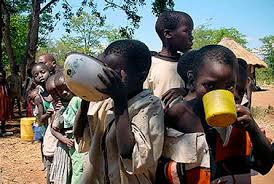
Understanding Cholera
Cholera is a highly infectious disease caused by the ingesting of contaminated food or water with the bacterium Vibrio cholerae. It can lead to severe diarrhoea, dehydration, and even death if left untreated.
AIMS
This newsletter aims to provide you with valuable information and tips to prevent the spread of cholera and maintain a healthy and safe environment.
As of June 11, 2024, 30 states in Nigeria have reported suspected cases of cholera. The 10 most affected states are:
- Bayelsa, Zamfara, Abia, Cross River, Bauchi, Delta, Katsina, Imo, Nasarawa and Lagos
The Lagos State Government declared a cholera outbreak on June 9, 2024, and as of June 12, 2024, there were 324 suspected cholera cases, including 15 deaths.
The outbreak is linked to consuming contaminated water and inadequate sanitation, with a total of 401 suspected cases and 21 fatalities in the state.
Katsina State has not made any specific statements regarding the cholera outbreak. However, the state is one of the 10 states in Nigeria that have reported 90% of the cholera cases, according to the Nigeria Centre for Disease Control and Prevention (NCDC) The NCDC has been providing support to the affected states, including Katsina, to combat the spread of cholera.
- Cholera is an acute diarrheal disease that can be deadly if left untreated, affecting people with inadequate access to safe water and basic sanitation
- The WHO aims to reduce cholera deaths by 90% and eliminate cholera in 20 countries by 2030 through improved surveillance, water and sanitation interventions, community engagement, and vaccination efforts.
- The Global Task Force on Cholera Control (GTFCC) and the Country Support Platform (CSP) support countries in implementing National Cholera Plans and provide operational assistance, advocacy, and policy guidance.
Causes of cholera
- Ingestion of food or water contaminated with cholera bacteria
- Poor sanitation and hygiene
- Living in crowded areas without proper sanitation
- Conflict, unplanned urbanization, and climate change
Cholera can be spread through
- Lack of access to safe drinking water
- Eating food made with contaminated water
- Eating raw or undercooked seafood
- Eating raw fruits and vegetables
- Close contact with people who have cholera
Symptoms of Cholera
- Acute profuse, painless watery diarrheal (rice water stools) of sudden onset
- Vomiting
- Nausea
- Fever
- Severe cases can lead to death within hours due to dehydration
Prevention is Key
- Ensure access to safe, potable drinking water
- Proper sanitation and waste disposal
- Appropriate hygiene including handwashing
- Avoid raw fruits and vegetables, food from street vendors, and raw or undercooked seafood
Advice to the Public
- Practice good personal hand hygiene
- Ensure that food is well cooked before consumption
- Avoid open defecation and indiscriminate refuse dumping
- If you or anyone you know experience sudden watery diarrheal, visit a healthcare facility immediately
Stay Informed
Stay up-to-date with the latest news and updates on cholera outbreaks and prevention measures.
NB: if we take care of ourselves by observing the water we take and also our surroundings we will not be affected with cholera.
Suite C29 Danziyal Plaza, Off Olusegun Obasanjo Way, CBD, Abuja
Tel: 09-290 3442, +234 805 220 5072. Email: This email address is being protected from spambots. You need JavaScript enabled to view it.
Website: www.savetheconsumers.org
The Nigerian Centre for Disease Control and Prevention (NCDC) has several channels for reporting cases of disease outbreaks and for seeking information.
Here are some of the NCDC helpline:
Email: This email address is being protected from spambots. You need JavaScript enabled to view it.
Phone: +234 0970 000 100
SMS: +234 809 955 5555
WhatsApp: +234 809 955 5555
Twitter: @NCDCgov
Facebook: @NCDCgov
You can also report cases of disease outbreaks or seek information through the NCDCs Surveillance and Response Unit.
Email: This email address is being protected from spambots. You need JavaScript enabled to view it.
Phone: +234 0970 000 100.
Fax: +234 0946 161 555